The best laser hair removal plan is the one you can actually follow. Technology matters, of course, and a skilled provider matters even more. But consistent timing between laser hair removal sessions is what separates tidy, incremental progress from the laser hair removal kind of lasting reduction that makes you forget where you left your razor. I have helped clients build schedules around rotating shift work, childcare, triathlon training, acne treatment cycles, summer beach trips, and even long stints abroad. You do not need a perfect calendar. You need a plan that respects hair biology, your skin’s recovery, and the realities of your week.
This guide distills what works in real practice. It covers how hair grows, how different body areas demand different pacing, how to map sessions against the seasons, and how to adjust when life gets messy. It also answers the common questions that come up in consultations at a laser hair removal clinic or medical spa, from pain and safety to affordability and long term maintenance.

The core idea behind scheduling
Laser hair removal therapy targets pigment in the hair shaft and the stem cells lining the follicle. It is most effective when a follicle is in the anagen phase, the active growth phase when the hair is connected to the root. Not every follicle is in anagen at the same time. That is why a plan involves multiple laser hair removal sessions spaced across several months. The interval lets more follicles cycle into anagen so you can catch them with the next pass.
On the face, a full cycle is shorter. On the body, it is longer. If you stack sessions too close together, you spend money zapping follicles that are not yet vulnerable. If you space them too far apart, new growth fills in and you lose momentum. The midpoint is not arbitrary, it is a reflection of typical growth cycles and what we see in laser hair reduction results over decade-long practice.
How timing really works by area
Face and neck tend to move fast. Underarms respond quickly. Brazilians and bikini lines do well, though they can be hormonally stubborn. Legs require steadier patience. Backs and chests on men can take longer because of surface area and density.
General intervals that hold up in clinical practice:
- Face, chin, upper lip, and neck: spacing often falls in the 4 to 6 week range between sessions at the start. If you have coarse hair and strong contrast with your skin, you may see a dramatic thinning by session three. If you have PCOS or hormonal acne, expect a few extra sessions and a stricter cadence. Underarms: about 5 to 6 weeks apart initially. This area often gives that early win that convinces people the process works. Short appointments, quick responses, visible laser hair removal before and after. Bikini and Brazilian: 5 to 7 weeks is typical. Follicles here are robust. Plan for more sessions if your hair is thick or if you are on hormone therapy. Be prepared for a little more sensitivity in the first pass, then better tolerance with cooling technology. Legs: 6 to 8 weeks. Calves and thighs can differ in density and response. The time block on your calendar is longer, so combine with other errands if your laser hair removal center is near your work or gym. Arms, chest, and back: 6 to 8 weeks. Men’s backs frequently need more total sessions, especially if starting with dense coverage. The spacing should remain consistent, even if you think it is thinning slowly. The compounding effect between session four and seven is real.
These ranges are starting points for a treatment plan, not rigid rules. A professional laser hair removal provider will adjust intervals by your Fitzpatrick skin type, hair caliber, and the device used, whether it is a diode, alexandrite, or Nd:YAG laser. Darker skin types often do best with Nd:YAG and thoughtfully moderated energy, which still allows a steady schedule without sacrificing safe laser hair removal.
The three phases of a practical plan
In the first phase, the goal is to reduce bulk and hit as many follicles in anagen as we can. In the middle phase, we shift to thinning and patch correction. In the final phase, we protect the result and stretch the calendar. Most clients who stick to this approach describe the change as gradual at first, then suddenly noticeable around session three or four.
Phase one, the foundation: For eight to sixteen weeks, you are showing up right on schedule. If you are doing facial laser hair removal, that might be every 4 to 5 weeks. For legs or a full body laser hair removal package, think 6 to 8 weeks. Expect shedding about one to three weeks after a session. This is the boring, essential part. You keep shaving between treatments, but you stop waxing and you skip depilatories. You also build the sunscreen habit, especially for face and exposed areas, because laser hair removal safety includes avoiding tanning that complicates settings and raises the risk of side effects.
Phase two, the refinement: Hair is visibly sparser. You go longer between shaves. Stray patches show up, and your provider addresses them with spot passes and slightly adjusted parameters. Sessions might stretch by a week at this stage, particularly for areas like underarms or bikini that have thinned well. You may move from 6 to 7 weeks on legs or from 5 to 6 weeks on underarms. The point is to maintain an effective hit rate on follicles still cycling in. Most people sit in this phase for two to four sessions.
Phase three, the sustain: After you are satisfied with the reduction, you switch to maintenance a few times a year. Some clients come back every four to six months, others once or twice a year depending on hair type and hormonal influences. Maintenance protects your investment and keeps regrowth from becoming noticeable again.
How many laser hair removal sessions are needed
There is no honest single number, but there are reliable ranges. Facial areas often respond in 6 to 10 sessions. Legs typically take 6 to 8. Underarms can be closer to 6, bikini 6 to 10, backs and chests 8 to 12. Hormonal conditions and very fine blond or grey hair complicate things. Laser hair removal technology targets pigment, so light hairs sometimes require more sessions or may not respond fully. If your hair is salt and pepper, a consultation will clarify realistic expectations and whether a mix of laser hair removal and electrolysis for remaining light hairs makes sense.
When people ask about permanent hair removal, I explain the wording. Most medical laser hair removal is better described as long term hair reduction. It can produce permanent results on many follicles, but not every single follicle shuts down for life. Meaningful reduction, less shaving, fewer ingrowns, smoother skin, and simpler routines are the consistent outcomes when the plan is followed.
Matching the plan to your life
The schedule has to survive real days, not ideal ones. I encourage clients to pick a consistent weekday and time that they can defend. Lunch hour works for small areas like upper lip or underarms. Early evenings are popular, but traffic can wreck punctuality. If you travel, stack sessions on either side of trips without compressing intervals too tightly. If you coach little league on Saturdays, do not book large areas that day unless you can rest afterward and avoid sweat and friction.
Seasonal timing matters. Many people begin in fall to ride through winter when sun exposure is lower. That does not mean summer treatments are off limits, but it does mean a stricter sunscreen routine, careful avoidance of tanning, and possibly longer intervals if you spent a weekend at the beach. The best laser hair removal schedules often weave around holidays and vacations. A realistic plan leaves a week buffer after any sun-heavy trip before your next laser hair removal appointment so your skin returns to baseline and the provider can safely use effective settings.
Budgeting and choosing packages without derailing cadence
Consistency beats bargain hunting if the latter forces you to bounce between a laser hair removal service whose device is always available and a busy clinic that cannot see you for ten weeks. That said, good laser hair removal deals and packages can make a difference if they keep you on track. A clinic with transparent laser hair removal price tiers by area, bundle discounts, and paid plans that keep your spot on the calendar is worth prioritizing over the absolute cheapest option.
Laser hair removal cost ranges widely by city and provider. Underarms might run from 50 to 150 per session. Bikini lines from 75 to 250. Legs from 200 up to 600 per session depending on whether it is lower legs or full legs. Full body laser hair removal packages can look expensive, but they often reduce the per area cost and save time with consolidated visits. Affordable laser hair removal is not just about the sticker. It is whether you can stay on the recommended schedule. If a package includes 8 sessions with a 12 month window and you know your spring is chaotic, ask for 14 to 16 months so you can avoid cramming late sessions too close together.
Device options and what they mean for timing
Diode and alexandrite lasers are fast and effective for lighter skin types with darker hair. Nd:YAG is safer for dark skin because its wavelength bypasses more epidermal melanin, reducing risk of pigment changes. Cooling technology is part of comfort and helps with safe laser hair removal. With proper devices and settings, you should not need unusually long breaks for recovery. Redness and perifollicular edema, the little goosebump-like swelling around follicles, usually settle within hours.
Switching devices mid-series is not a problem if it reflects your skin’s needs. For example, if you got a tan, a provider might move from alexandrite to Nd:YAG for a session or two, then return later. The schedule can remain similar, but energy settings and passes may shift. Trust the clinic’s reasoning, but feel free to ask for a plain explanation of the change.
Building a weekly rhythm around prep and aftercare
The day before a session, shave the area with a clean razor. The hair should be at skin level so the laser energy goes to the follicle, not wasted on long hair above the surface. Skip heavy actives like retinoids or strong acids on facial areas for a few days before and after treatment. Hold off on self tanner in the treatment zone for at least a week. On session day, show up with bare skin, no oils or lotions on the area, no deodorant if you are treating underarms.
After the laser hair removal procedure, expect mild warmth or pinkness. Cool compresses help. Avoid hot yoga, saunas, and intense workouts for the day to minimize friction and sweat that may irritate follicles. If you are prone to ingrowns, a gentle chemical exfoliant introduced a week later can help, but do not apply it too soon. Fragrance free moisturizers calm the skin. Sunscreen is non negotiable on exposed areas. The healing is quick. The downtime is minimal. The discipline is what moves the needle.
Planning for special situations
If you have a medical event on the horizon, tailor the plan. For example, if you are starting isotretinoin for acne, pause laser hair removal or delay scheduling until after the course and clearance from your dermatologist, since isotretinoin can increase skin sensitivity. If you become pregnant, most medical spas recommend postponing cosmetic laser hair removal until after delivery and breastfeeding, not because it is known to be harmful but because of limited safety data and very cautious practice standards. If you are dealing with psoriasis or eczema in the treatment area, clear flares before scheduling.
Athletes who sweat heavily and shave daily can benefit from laser hair removal for body areas, but they must honor the no-heat window for 24 hours after sessions. Cyclists often treat bikini lines and legs to reduce chafing. Swimmers usually plan sessions outside peak training meets to avoid sun exposure conflicts. This is doable, it just takes a season map and a provider who understands your schedule.
The truth about pain, comfort, and tolerance
Most clients describe the sensation as quick snaps with heat. Underarms and bikini can feel sharper the first time before the density thins. Cooling devices, chilled gel, and a slow, steady pace make a difference. Topical numbing can be used for small sensitive zones if needed, although many do fine without it after the first session. The pain level is real but manageable. It usually diminishes as hair density drops.
If someone promises painless laser hair removal, listen for specifics. With the right machine and technique, comfort is high, but pain is subjective. Good providers set realistic expectations and check in frequently. You can ask for short pauses or to break a large area into two visits if that fits your tolerance and schedule better.
Safety, side effects, and how to avoid them
Temporary redness, swelling around follicles, and light tenderness are common and expected. Rare side effects include blistering, burns, pigment darkening or lightening, and paradoxical hypertrichosis, which is unusual increased growth, most often reported in the face with low energies or improper technique, particularly on darker skin types. These risks are minimized by proper device selection, correct parameters, strict avoidance of tanning, and honest reporting of your medications and skincare.
If you use photosensitizing medications or recently had a chemical peel, disclose it. If you had sun exposure, say so. Safe laser hair removal depends on straight answers. A laser hair removal consultation at a reputable laser hair removal clinic or laser hair removal center should include a skin typing assessment, a review of your health history, discussion of hair types, and a small test spot if anything is uncertain.
What results look like on a calendar
Results do not steadily climb in a straight line. They arrive in jumps. After session one, you may see shed within two weeks and a small improvement in shave frequency. After session two and three, the difference becomes obvious. Shaving drops from daily to every few days, or weekly for legs. By session four to six, patches thin out and texture looks smoother. Razor bumps fade because there are fewer hairs to irritate the skin. Laser hair removal effectiveness relies on compounding each hit at the right interval, so think like a marathoner keeping pace rather than a sprinter chasing instant speed.
When I track progress, I prefer photos taken in similar lighting before each session and honest notes about shaving frequency, ingrowns, and personal satisfaction. Laser hair removal reviews you read online often describe this same arc. The laser hair removal effectiveness rate that clinics cite varies by device and hair profile, but the pattern holds: consistent timing outperforms sporadic appointments.
Choosing the right provider for your schedule
Pick a place with both good machines and good calendars. A clinic with multiple devices means they can adapt settings to your skin and hair. A busy laser hair removal medical spa with evening and weekend slots improves the odds of staying on track. Check the laser hair removal ratings, but also ask how they handle reschedules, how far in advance they book, and whether they send reminders. If you are searching laser hair removal near me, call two or three locations. You can tell a lot by how they handle the first phone call.
A thoughtful provider will build a customized plan: your skin type, hair type, areas, device, target intervals, and goals. They will talk about laser hair removal risks and how to minimize them, not skip to a hard sell. They will explain why a session is 5 weeks instead of 4, or 7 instead of 6. They will map your plan across seasons, vacations, and known conflicts, and they will tell you when to call if you tan or start a new medication.
What to skip between sessions
Waxing and plucking remove the hair bulb and disconnect the target from the follicle. That conflicts with laser hair removal how it works. Stick to shaving or trimming. Some clients like electric trimmers to avoid razor burn on sensitive areas. If you are dealing with coarse hair and irritation in the bikini line or underarms, use a bland moisturizer and a non comedogenic sunscreen daily. Keep fragrance heavy products off the area for a few days post treatment.
Self tanners make it harder for the provider to judge your skin tone and increase risk with certain wavelengths. If you love a glow, pause it on treated zones. Tanning beds are a dealbreaker during a laser series.
Managing expectations on body areas that resist
Fine facial hair sometimes softens more slowly. Hormonal jawline growth may thin but not vanish entirely. If you have PCOS, aim for a steady, extended series with realistic maintenance. For men with heavy back hair, expect a longer road, but celebrate the milestones: from dense growth to sparse patches, from weekly shaving to occasional touch ups, from ingrown clusters to smooth skin. Chest hair can remain lighter and finer, which many clients prefer to a completely bare look.
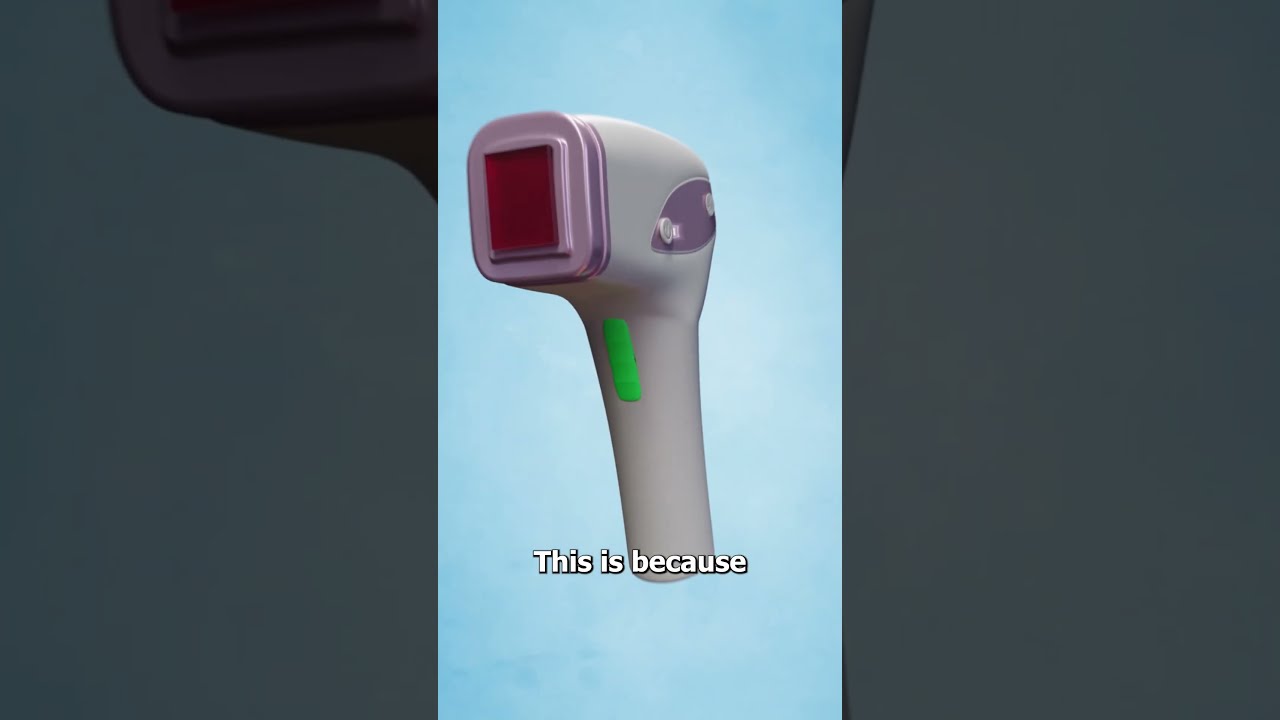
For those comparing laser hair removal vs waxing, the schedule is the big win. Waxing demands growth and constant appointments that undo your smooth window. Laser hair removal process lets you stay shaved between sessions and lengthens the intervals as you progress. Compared with shaving, the results are longer lasting, less irritation, and fewer ingrowns. Laser hair removal vs electrolysis is not a rivalry, rather a pairing. Use laser for large areas and dark hair, then electrolysis for scattered light hairs that persist.
A sample plan you can actually follow
If you want a compact blueprint, here is one that has worked for clients juggling work, kids, and travel. Adjust the times to your life and the intervals to your provider’s recommendation.
- Weeks 0 to 8: book sessions for face every 4 to 5 weeks, underarms and bikini at 5 to 6 weeks, legs at 6 to 8. Schedule on the same weekday and time. Shave the day before. Avoid sun on the area for 2 weeks before each appointment. Weeks 8 to 20: widen intervals by a week only if shedding and thinning are strong. Ask for spot passes on stubborn patches. Keep sunscreen on exposed areas daily. Continue to shave as needed, but count how many days you can skip. Months 6 to 12: when satisfied with reduction, move to maintenance every 4 to 6 months for face and bikini, and every 6 to 12 months for legs and back. Put the next maintenance visit on the books as you leave the clinic so it actually happens.
This is not prescriptive, but it captures a rhythm that preserves effectiveness and stays manageable.
Answers to the questions that come up most
Will I be hair free forever? Expect lasting results and low maintenance, not absolute zero hair for life. Permanent results happen on many follicles, while others may produce finer, lighter regrowth over time. Maintenance taps the brakes before regrowth becomes noticeable.
Is it safe for dark skin? Yes with the right device and parameters, especially Nd:YAG lasers that offer safer penetration for higher melanin skin tones. An experienced provider, careful test spots, and strict sun avoidance are key to laser hair removal safety.
Can I do it if my hair is blond or grey? Light hair with minimal pigment does not absorb laser energy well. Some clients with dark blond hair see partial improvement. Grey and white hair typically require electrolysis instead.
How much downtime will I need? Most people return to normal tasks immediately. Skip intense heat, friction, and heavy workouts for 24 hours. Redness usually fades within hours.
What about price shocks? Ask for a written plan that lists your areas, device type, laser hair removal cost per session, package pricing, and an estimated number of sessions. Confirm the cancellation policy and reschedule windows. Affordable laser hair removal often comes from smart bundling and predictable scheduling, not from chasing one time specials.
Signals that it is time to adjust your schedule
If you consistently miss the same weekday slot, change it. If you get sun exposure that darkens the treatment area, push the session back a week and tell your provider so they can recheck settings. If you have an unusual reaction, do not wait for the next appointment to call. If hair is not shedding by the third week, follow up because settings, device, or technique may need a tweak. If you are sailing through the process with excellent results, ask about widening intervals by a week to see if the progress holds. A good clinic treats the plan as a living document.
Bringing it all together
You do not need a perfect schedule to get excellent laser hair removal results. You need a steady cadence that respects growth cycles, a clinic that fits your calendar, and a few practical habits that protect your skin. The right plan feels like a drumbeat in the background. You shave a little less, then a lot less. You run errands after appointments. You notice fewer ingrowns. You look at laser hair removal before and after photos and recognize your own progress.
When you build a schedule around your life, laser hair removal stops being an appointment you dread and becomes an hour you barely notice. The payoff is smooth, low maintenance skin and a routine that gets simpler each season. Whether you are choosing facial laser hair removal for stubborn chin hairs, underarm laser hair removal to ditch shaving rash, or a full body laser hair removal package to streamline everything, the calendar you can keep is the calendar that delivers.